
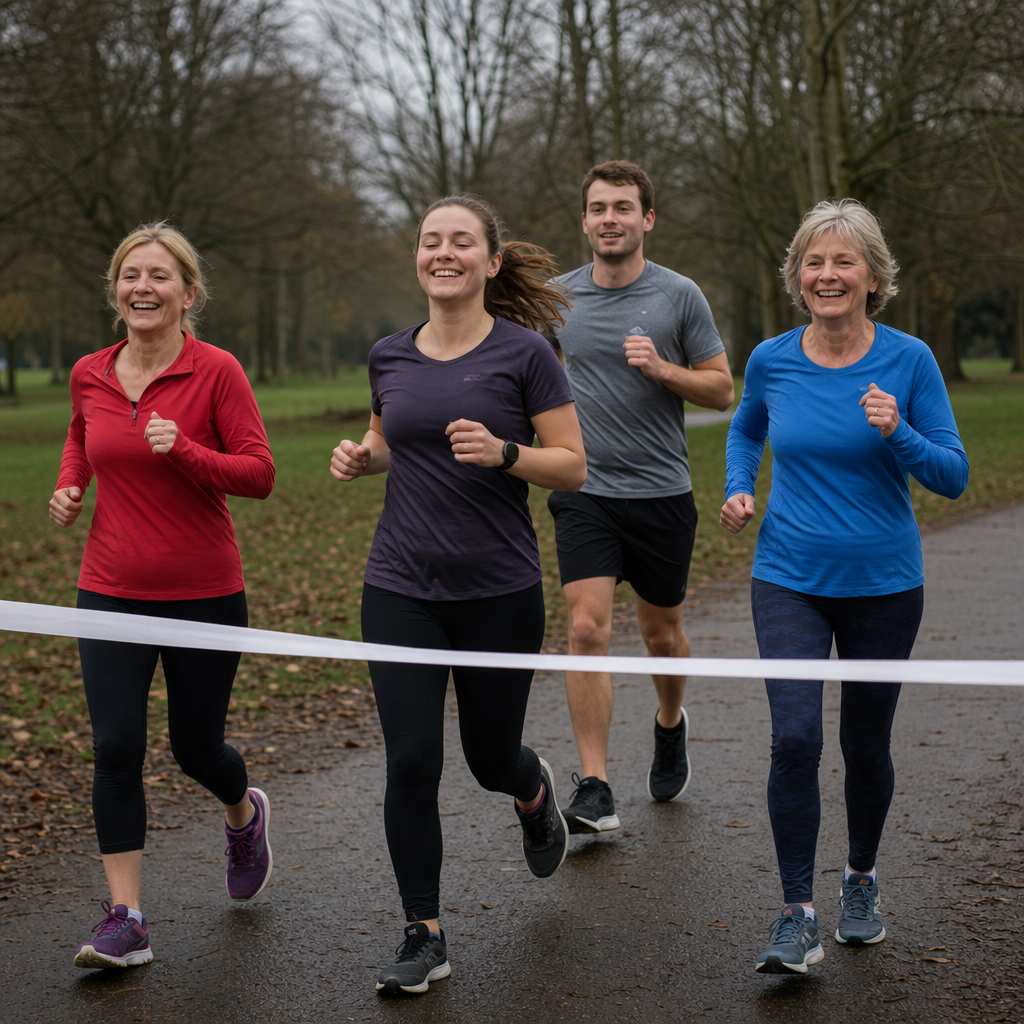
At a typical UK parkrun on a Saturday morning, the 50 to 59 age group is one of the largest on the finisher list. Not a charity event or a special occasion. A normal week, at most locations, most of the year.
Most people who think they are too old to start running are standing next to people their age who already did.
The question about age
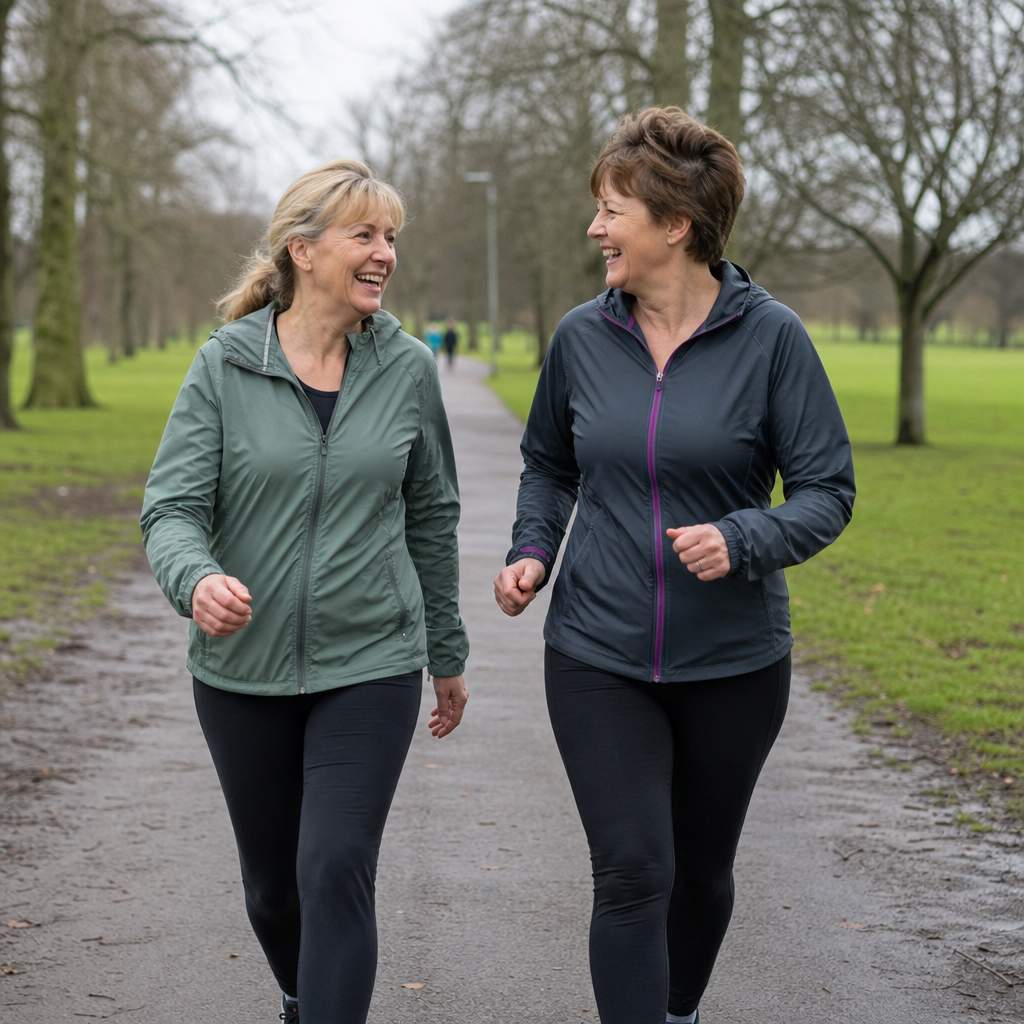
Aerobic capacity (the engine that determines how hard and how long you can work) responds to training at any age. The research on this goes back decades and the conclusion has not shifted: the body does not stop adapting at fifty.
According to the UKK Institute, Finland’s leading physical activity research body, regular aerobic exercise in adults over 50 reduces cardiovascular disease risk, supports bone density, and can ease the hormonal effects of menopause. Running is one of the most effective ways to achieve those benefits. The NHS recommends regular aerobic activity for all adults on the same grounds.
Being fifty is not the variable that determines whether you can start. How you start is.
What does change
Starting at 50 is not the same as starting at 25. Worth saying directly, because pretending otherwise leaves people confused when their recovery feels slower than expected.
Muscle mass declines from the mid-30s onwards, a process called sarcopenia. The decline is not dramatic, and running slows it. But your muscles will take longer to adapt to a new training load than they would have ten years ago.
Connective tissue takes the most time. Tendons, ligaments and cartilage adapt more slowly than muscle at any age, and that gap widens with age. This is the reason rest days matter more after 50, not less. The structural adaptation that makes running sustainable happens between sessions, not during them, and it runs on a longer schedule now.
The knee question
It comes up in almost every conversation about running over 50.
Running does not wear out knees. That belief is widespread, and the long-term research points the other way. Studies tracking recreational runners over years find lower rates of knee osteoarthritis among them than among people who do not run, not higher.
Most knee pain beginners experience comes from ramping up too fast, not from running itself. Cartilage adapts well to load as long as the load increases gradually. A beginner adding a few minutes of running each week is not putting their knees at risk. A beginner who tries to run 5K (just over three miles) every day in week one is.
If you have an existing knee problem, a word with your GP before you start is sensible. This is general information, not medical advice, and existing conditions are a different matter.
How to start safely
The method is the same as for any beginner, but the margins are different.
Walk first. Brisk thirty-minute walks, two or three times a week, for a fortnight before adding any running. Then introduce one minute of running followed by two minutes of walking, repeated for twenty to thirty minutes. Keep each running minute slow enough that you could hold a full conversation. If you cannot finish a sentence out loud, ease off.
Add no more than ten per cent to your weekly total from one week to the next. After fifty, two rest days between sessions beats one in the first month. The tendon and bone adaptation that keeps you injury-free needs that time, and it cannot be rushed.
If you have a chronic health condition, have not exercised regularly for several years, or have any concern about starting, speak to your GP first. For most people that conversation is brief and reassuring.
Women returning to exercise after 50 may also want to compare running shoes designed for women on Amazon UK before visiting a running shop. Still get fitted in person; the gait analysis matters more than the brand.
Where to start in the UK
Two resources stand out above everything else.
The NHS Couch to 5K is a free app-based plan that builds from short walking intervals to a continuous 5K over nine weeks. It was designed specifically for people who have never run before, and no session in the first several weeks asks for continuous running. You can find it on the NHS website.
For a first live event, the easiest entry point is parkrun: free, every Saturday morning at more than 800 UK locations, where no one minds if you walk every step. No entry fee, no minimum pace, and a recorded time however you get round. The over-fifties make up one of the largest groups in the field at most events.
For the practical week-by-week structure, how to start running with no experience covers your first session through to your first parkrun. For what to expect from post-run soreness, what is normal and what is a warning sign is worth reading before you begin.