
For most people, yes. Regular running tends to improve how well you sleep, and that holds up after 50, when good sleep often gets harder to come by.
The effect is modest but real, and it shows up most in people who sleep poorly to begin with.
Broken, light, early-waking sleep is one of the most common complaints past 50. So here is what the research says about running and sleep, and how to start without making the tiredness worse first.
Does running actually improve sleep?
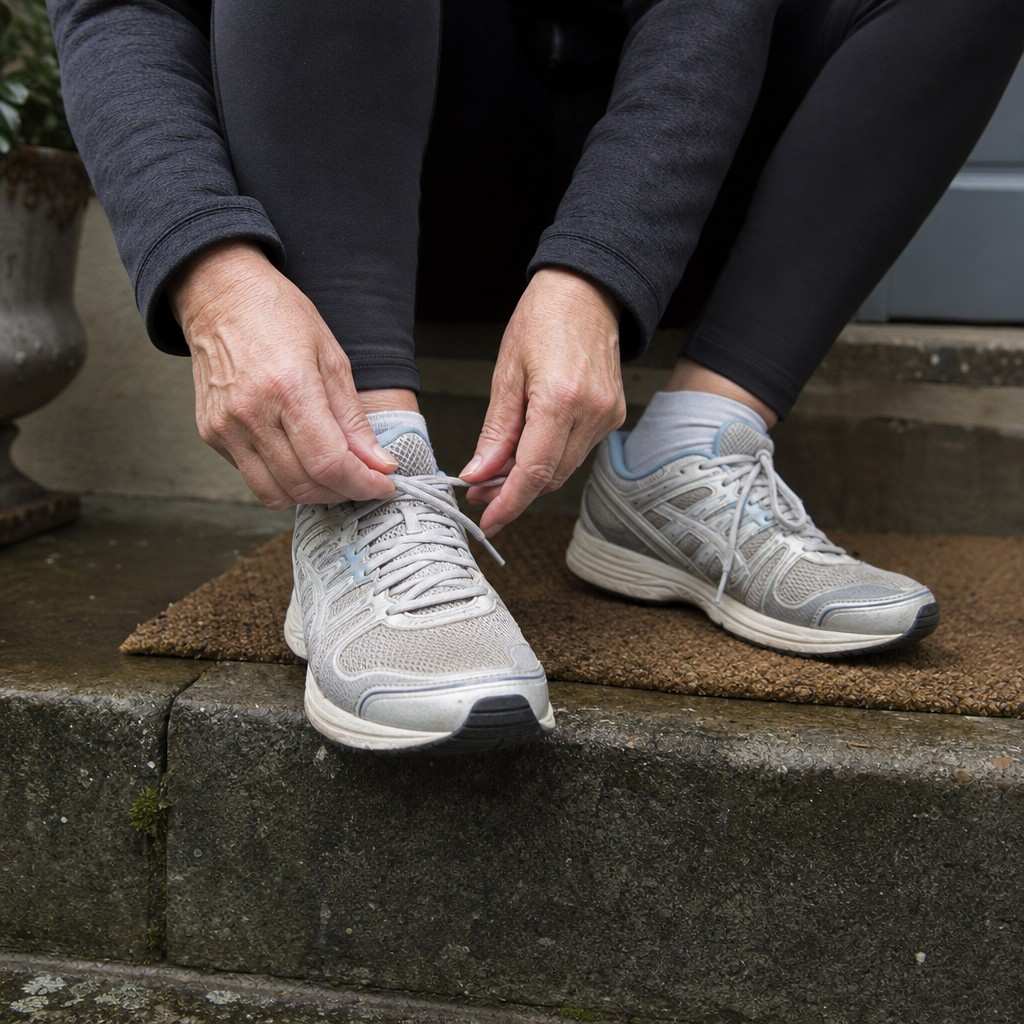
The evidence points the right way.
When researchers pool trials that put people on an exercise programme and track their sleep, the exercisers generally report better sleep quality than those who did not. One 2025 review comparing different kinds of exercise for sleep in older adults placed aerobic activity, the sort that gets you mildly out of breath, among the more effective.
The gains are usually modest rather than dramatic. Running is not a sleeping pill. But for someone whose sleep is already broken, a modest, steady improvement is worth having.
Running tends to help sleep most in the people who need it most: lighter, more broken sleepers.
What the research found in people with poor sleep
This is where it gets more interesting for older beginners.
In one trial, older adults with ongoing insomnia followed about sixteen weeks of moderate aerobic exercise. By the end they reported better sleep, along with better mood and quality of life. The exercise was nothing extreme, just regular, moderate sessions over a few months.
That timescale matters. The sleep benefit built over weeks, not nights.
The sleep benefit builds over weeks, not nights. If your first runs leave you more tired, that is normal and temporary.
If your first few runs leave you more tired rather than less, that is normal and temporary, not a sign it is failing.
Does it matter when you run?
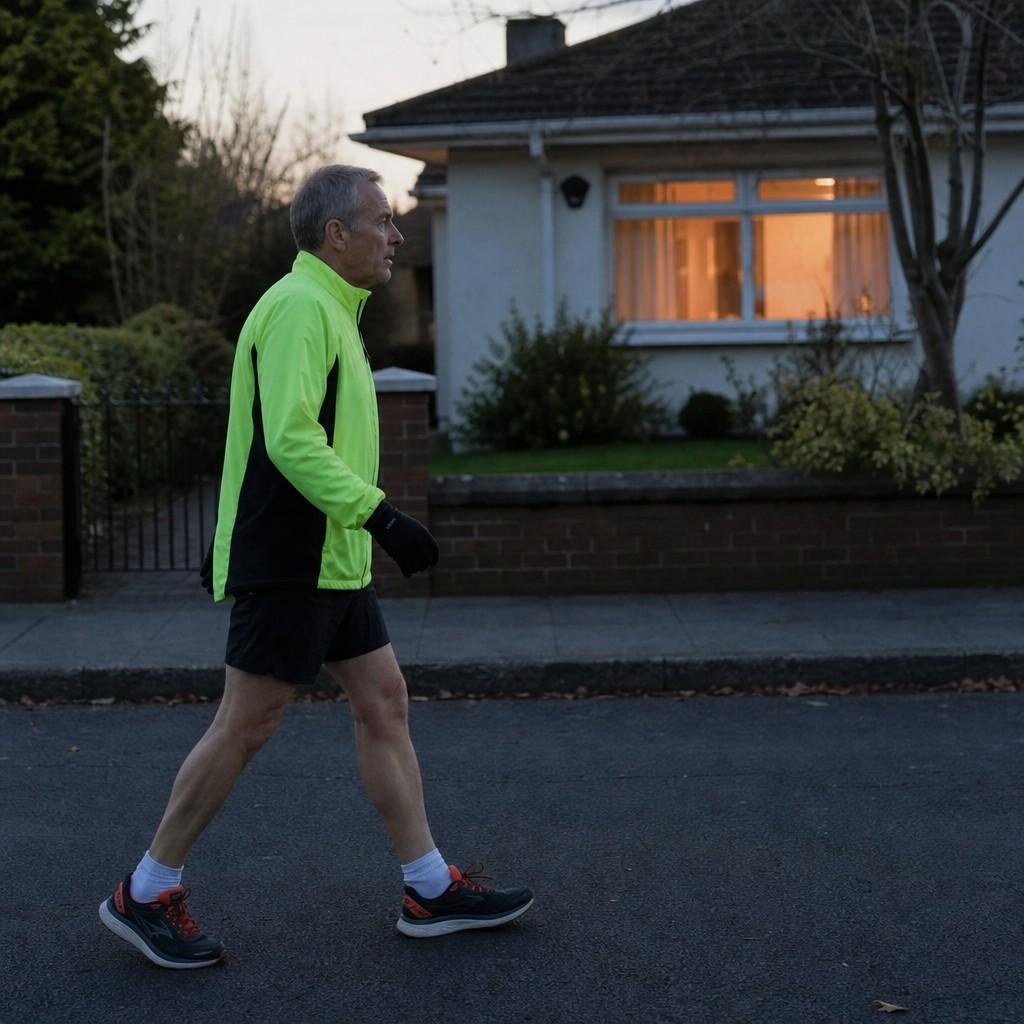
A common worry is that running will leave you too wired to sleep. For most people, that fear is overstated.
Morning and daytime runs sit easily alongside good sleep, and many people find a regular morning slot helps settle their body clock. The picture is less settled for hard efforts late at night, which can leave some people stimulated for a while. A gentle evening run is usually fine.
If evenings are your only option, keep them easy and finish a couple of hours before bed.
How to start without wrecking your sleep first
The mistake is doing too much, too soon, and paying for it with worse sleep and sore legs.
Start with walking, add running in small intervals, and keep it gentle enough to hold a conversation.
Two or three brisk thirty-minute walks a week for a fortnight prepare your body. Then add short running intervals, perhaps a minute of easy running to two minutes of walking, building up slowly. The NHS Couch to 5K plan follows this pattern and is free.
Keeping every running minute slow enough to talk is the single most useful habit, and running slower than feels natural at first explains why it protects you while your fitness catches up.
Recovery is part of the picture too. After 50, the rest days are when your body adapts, and they protect your sleep as much as your legs. If you are not sure how much rest you need, how to recover after a run covers it.
When to talk to your GP
Most people can start running safely, and better sleep is a common and welcome side effect.
This is general information, not medical advice. If you have long-standing insomnia, or sleep problems that leave you exhausted during the day, it is worth speaking to your GP, since some sleep issues have causes that running alone will not fix. For most people, though, a regular, gentle running habit is one of the simpler things that helps.
Where this leaves you
Running improves sleep for many people, the benefit is steady rather than instant, and it tends to help poor sleepers most. You do not need to run far or fast to get it.
Start with a walk this week, keep your runs easy, and give it a few weeks. If you sleep lightly now, you are exactly the person the research suggests has the most to gain. The first step is a gentle first session with no experience needed.
Start with a walk, keep your runs easy, and give it a few weeks. If you sleep lightly now, you have the most to gain.