
Beginners tend to focus entirely on the run itself: how far, how fast, whether they stopped to walk. Recovery barely gets a thought.
That is the wrong way round. The run is the stimulus. Recovery is where the adaptation actually happens.
This is true at any age, but it deserves more respect after 50. Not because something has gone wrong, but because the biology is simply different now.
What recovery actually is
When you run, you create small amounts of damage in your muscles. Your body repairs that damage during the hours and days that follow, and builds back slightly stronger than before.
The adaptation does not happen during the run. It happens while you rest.
Connective tissue, tendons, ligaments, cartilage, repairs on a slower schedule than muscle. According to the NHS, this process takes longer as you age. After 50, your body needs more recovery time than it did at 30, and that is ordinary physiology, not a sign of fragility.
If you run again before that repair is complete, you add new stress on top of unfinished work. Over weeks, that compounds.
The simple recovery toolkit
Nothing here requires equipment or expense. These are habits, not kit.
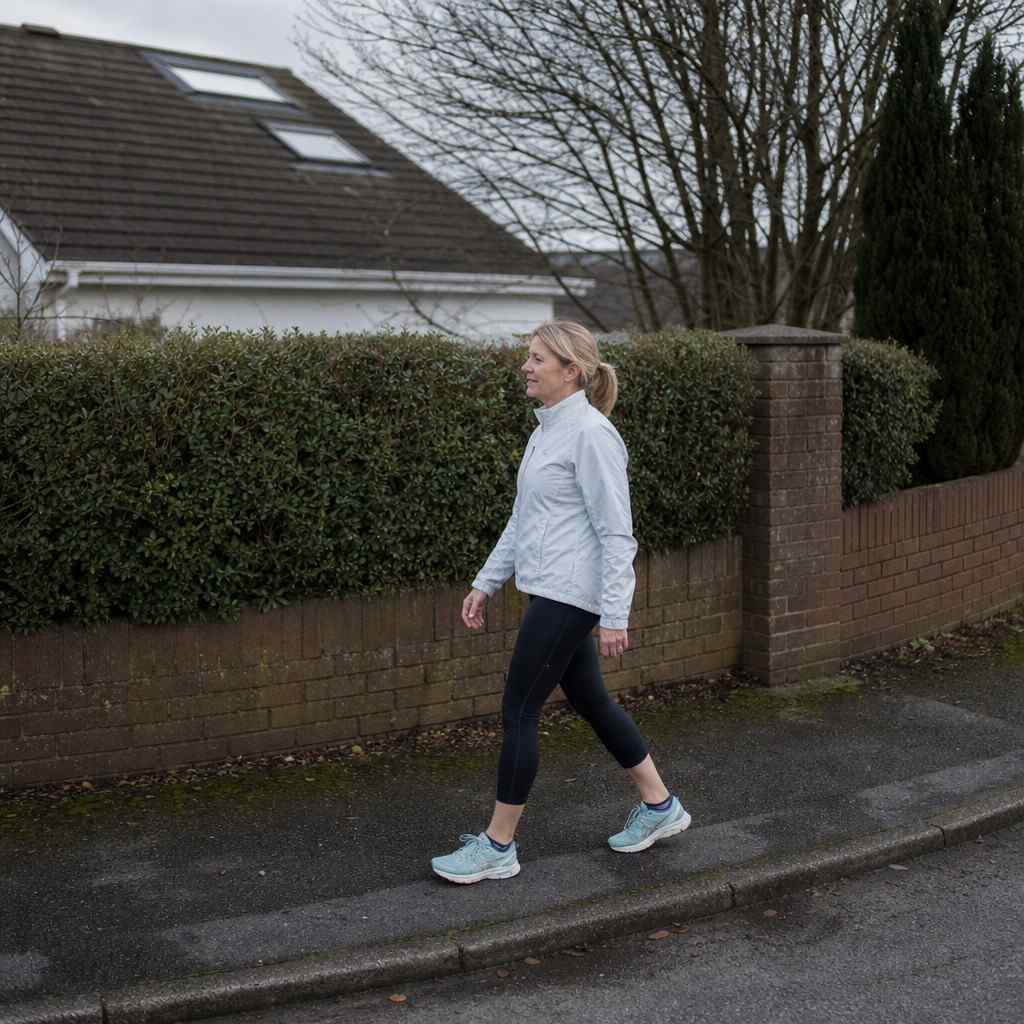
Cool down with a walk. When you finish a run, keep moving for five to ten minutes at a slow pace. Walking gradually brings your heart rate down and helps clear the metabolic byproducts from your muscles. Stopping dead, especially in cold weather, is hard on your circulation and leaves your legs feeling worse the next day.
Drink water. Even a short thirty-minute run in mild British weather means you lose fluid. Rehydrate when you get home. You do not need sports drinks or supplements at beginner distances. Water is enough.
Eat ordinarily, but include protein. You do not need a recovery shake. A normal meal or snack with some protein within a couple of hours is sufficient. Eggs, yoghurt, a piece of chicken, beans on toast. The protein supports the muscle repair process, and you are almost certainly eating enough of it already.
Sleep is the most underrated part. Deep sleep is when the most significant tissue repair happens. If you are short on sleep, your recovery will be slower. There is no training plan that compensates for that.
Deep sleep is when the most significant tissue repair happens. If you are short on sleep, your recovery will be slower, and no training trick makes up for that.
Rest days are the work
This is the point most beginners find hardest to accept.
In the first month after 50, allow two rest days between each run. That means running roughly three times a fortnight rather than three times a week. It feels cautious. It is not.
Tendons and cartilage adapt on a different timeline to cardiovascular fitness. Your lungs and heart may feel ready to go again the next day. The structures around your knees and ankles may not be. That mismatch is exactly where beginner injuries begin.
The ten per cent rule, adding no more than ten per cent to your total weekly running from one week to the next, is the standard guideline for gradual progression. After 50, the more important rule is the rest-day one.
This is general information, not medical advice, so if you are concerned about a specific pain or condition, speak to your GP.
What to do on rest days
A rest day is not a sofa day unless that is what your body asks for.
Gentle movement helps. A twenty-minute walk, some light stretching, or easy mobility work keeps blood moving to muscles that are repairing. This is not optional training. It is active recovery, and it feels noticeably better than lying still.
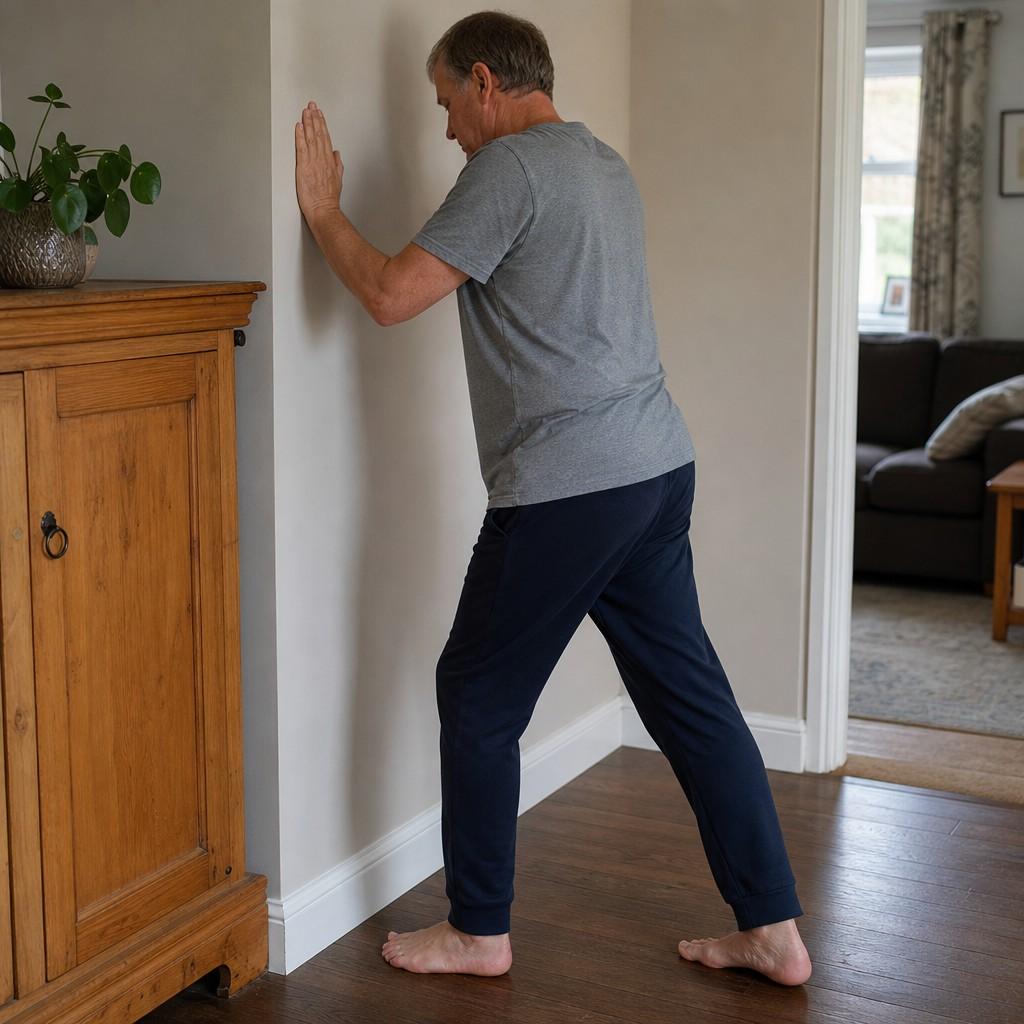
Simple stretches for the calves, quads, and hip flexors take five minutes and make the next run easier. You do not need a routine from a magazine. Just move through the ranges that felt tight during the run, slowly, without bouncing.
Avoid sitting for long unbroken stretches on the day after a run. Muscles stiffen when they cool and stop moving. Get up every hour or so, even briefly.
Soreness versus something to watch
Some ache in the day or two after a run is normal and expected. Delayed onset muscle soreness (DOMS) is diffuse, spread across a whole muscle group, and eases within a couple of days.
A pinpoint pain, or pain that arrived during the run rather than the morning after, is worth watching. Those patterns are different from ordinary soreness.
The guide on what post-run ache is normal and what is a warning sign explains the distinction clearly, including when to take a rest day versus when to speak to your GP.
The guide on what is normal post-run soreness and what is a warning sign explains clearly when an ache deserves a rest day and when it deserves a closer look.
Why more rest is not laziness
There is a common belief, especially among people who were sporty in their twenties and thirties, that rest means going backwards.
It does not. Fitness is built in the recovery window, not during the session itself. Skipping rest days does not make you fitter faster. It makes you more likely to get hurt, which removes the only thing guaranteed to slow your progress.
A study published in the British Journal of Sports Medicine found that recreational runners who progressed gradually had significantly lower injury rates than those who increased volume too quickly. The body adapts well to progressive load. It does not adapt well to rushed load.
If your goal is to be running consistently in six months, regular rest days are what gets you there. Running every day is not a plan for someone starting after 50. It is a plan for being injured.
Connecting recovery to progress
Recovery is also what makes improvement possible. The walk/run approach to building endurance works precisely because it builds in recovery within each session, and the rest days between sessions let those gains consolidate.
Slowing down, resting well, and eating and sleeping ordinarily is how you get better at running. Not despite those things.
When you are ready to think about pacing, why running slower makes beginners fitter covers that side of things. The principle is the same: stress and recovery in the right balance, not just more stress.
If you are still working out whether running is the right starting point, how to start running from scratch covers the first steps before any of this becomes relevant.