
A common worry among new runners is that they will never do enough to make a difference. Twenty slow minutes, twice a week, feels too small to count for much.
The research on running and lifespan points firmly the other way.
A 2014 study in the Journal of the American College of Cardiology followed more than 55,000 adults for around 15 years.
Compared with non-runners, the runners had a 30 per cent lower risk of dying from any cause over that period, and a 45 per cent lower risk of dying from heart disease. On average, running was linked with about three extra years of life. The full paper is available on PubMed Central.
The striking part is how little running it took to get there.
The smallest dose that works
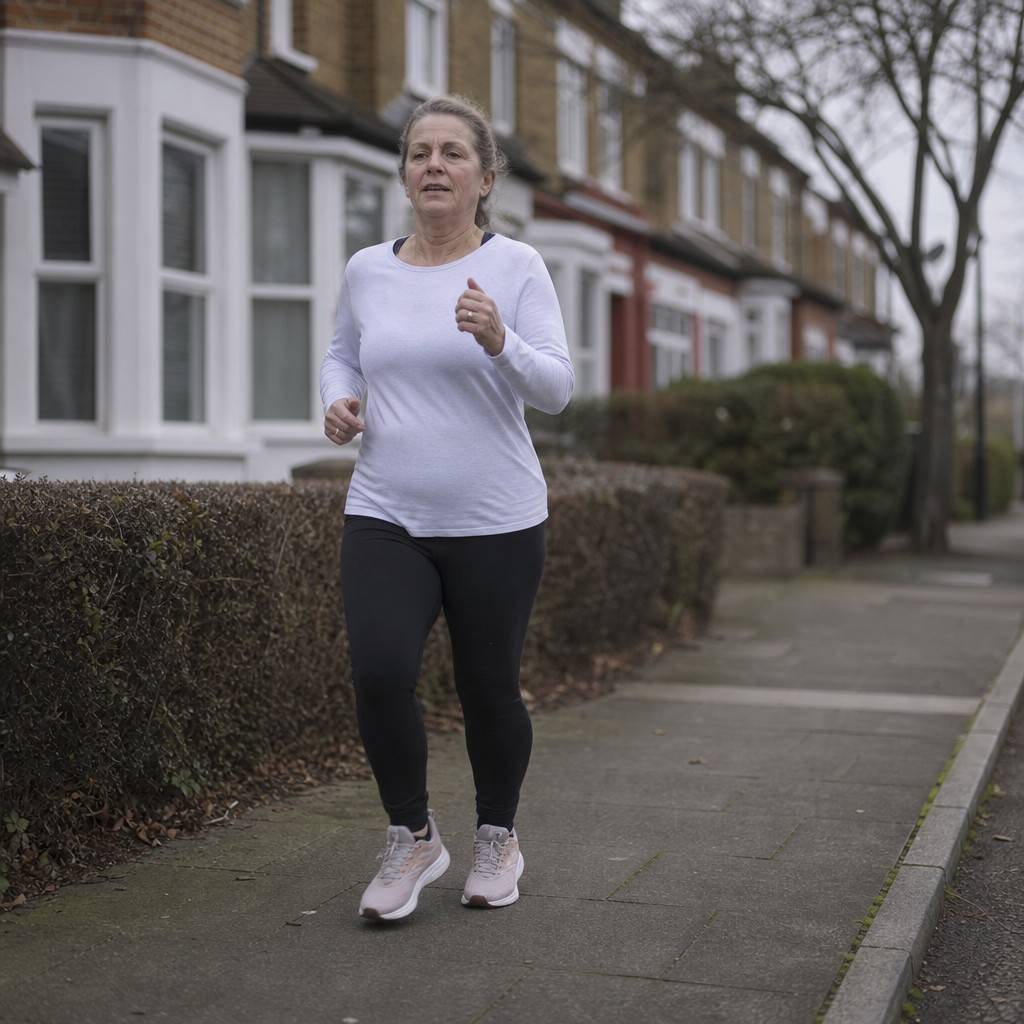
In the same study, the benefit showed up even in people running as little as five to ten minutes a day, at a slow pace, totalling under 51 minutes a week.
Those runners lived about as long as the people running several times more.
Past a fairly low threshold, extra miles added very little to the lifespan benefit.
For a beginner, that is the opposite of discouraging. The dose that buys most of the benefit is one almost anyone can reach. Two or three short, easy runs a week is not a watered-down version of the real thing. On this measure, it is close to the whole of it.
More is not always better
There is even a point where piling on more hard running stops helping.
The Copenhagen City Heart Study tracked joggers for over a decade and found a U-shaped pattern. Light and moderate joggers had the lowest death rates of all. Strenuous joggers, running fast and often, did no better than people who did not jog at all.
That strenuous group was small and the result carries wide error bars, so it is not proof that hard running is harmful. But the shape of the curve matches the rest of the evidence: the steep gains come early, and grinding out more does not keep paying off. The lowest-risk amount sat somewhere between one and two and a half hours of jogging a week.
This is general information rather than medical advice. If you have a heart condition or any health concern, speak to your GP before you start.
What this means if you are starting at 50
Plenty of older beginners assume the benefit only arrives once they can run continuously for half an hour or more. The evidence does not support that.
Walk/run counts. The minutes you spend running inside a walk/run session do the same work in your body as continuous running would. You do not have to earn the benefit by dropping the walking breaks first.
So the target is not an hour of unbroken running. It is a modest, repeatable habit. Two or three easy sessions a week, some running and some walking, already places you in the range the research links with the longest, healthiest life.
How to hit the sweet spot
The practical version is simple, and it sits comfortably inside the NHS guideline of 150 minutes of moderate activity a week. You can reach a large share of the benefit well below even that.
A realistic weekly pattern for a beginner:
- Run two or three times a week, not every day
- Keep each run easy, slow enough to hold a conversation
- Aim for 20 to 30 minutes, walking whenever you need to
- Treat consistency as the goal, not distance or pace
- Use a Saturday parkrun as a weekly anchor if you want one fixed point in the week
Done at this dose, running becomes something you can keep up for years, which is the only way any of these benefits actually accrue.
The takeaway
If the size of the task has been putting you off, let the numbers reset it. You do not need to run far or fast to get most of what running offers.
Little and often beats more and harder. That is the pattern, by a wide margin and according to the data.
Aim for the smallest amount you can repeat without dread. A couple of easy runs a week, kept up over months and years, is not the beginner’s compromise. On the evidence, it is close to the ideal.
For why slow running is the right setting rather than a soft option, why beginners should run slower than they think goes deeper. A different benefit that shows up at the same low dose is covered in what running does for mental health after 50, and how to start running with no experience walks through the first few weeks.