
Running is one of the better-studied ways to support your mental health, and the evidence holds up well past 50.
The mood lift is real, and it is well documented in people who start later in life.
Low mood and flat motivation are part of why a lot of beginners never get going. So here is what the research actually shows, and what it means if you are starting from scratch.
Does running really help your mood?
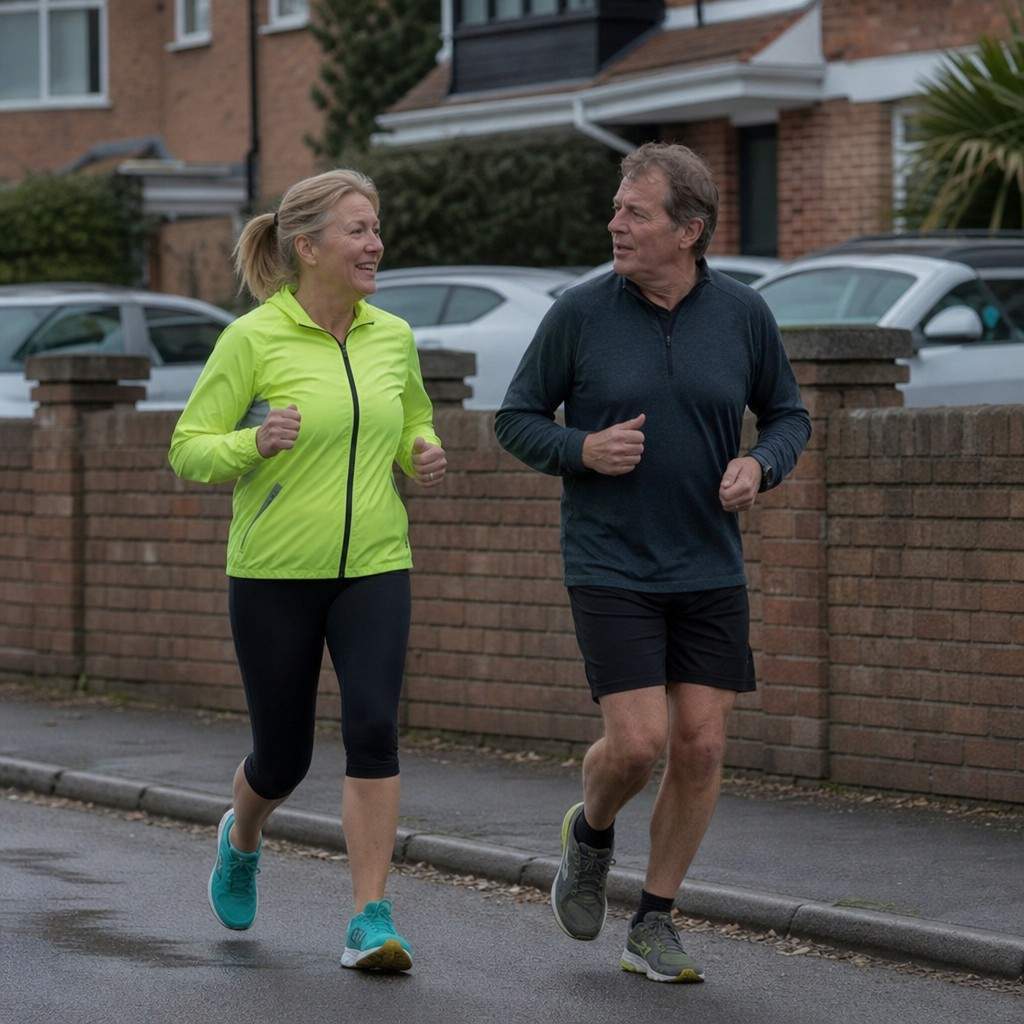
The short answer is yes, for many people, and the evidence is not thin.
When researchers gather the many trials that have tested exercise against low mood and pool the results, aerobic activity like running tends to come out well. Reviews have found it eases symptoms of depression and anxiety for a lot of people, sometimes by a margin that stands comparison with other common approaches.
It is support, not a cure, and it does not replace medical care.
This is general information rather than medical advice. If low mood is affecting your daily life, speak to your GP, who can talk you through all the options.
Exercise is one tool among several, and a good one for many people.
Why it can matter more after 50
Two things make this especially relevant if you are older.
First, the benefit does not seem to need much running. One review looking specifically at older adults found that even modest amounts of brisk activity helped with low mood, and that the aerobic kind helped most. You do not have to run far or fast to feel something.
You do not need to run hard to get the mental benefit. Gentle and regular beats occasional and punishing.
Second, this fits how a sensible beginner should start anyway. Walk/run intervals, kept slow, are the recommended method for beginners over 50, and they are more than enough to support your mood. There is no rule that says you must run continuously to count. If you are not sure how easy easy should feel, running slower than feels natural at first is the place to start.
Why running with others lifts your mood more
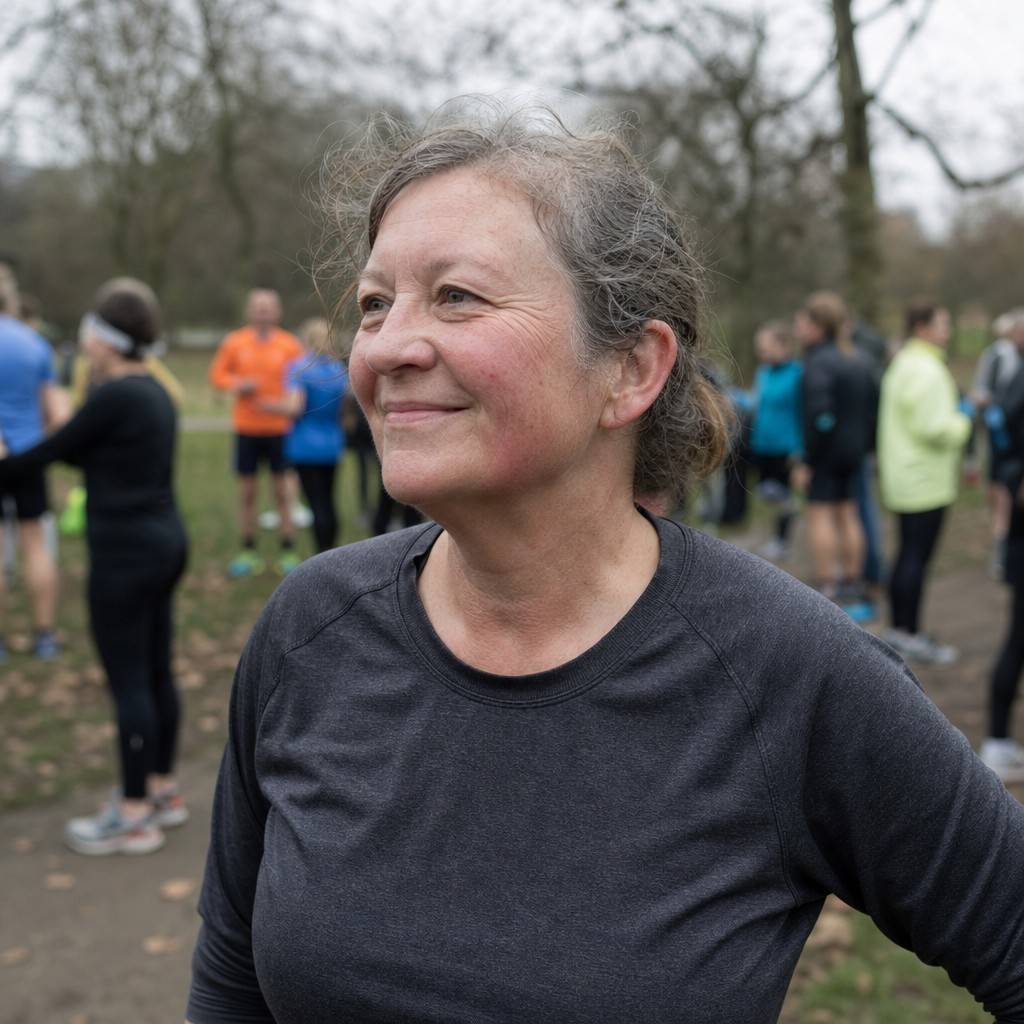
Here is the detail that gets left out of most “running is good for you” pieces. How you run seems to matter, not just whether you do.
Researchers who have compared exercise done alone with exercise done in a group or under light supervision have repeatedly found the social version gives a bigger lift. The company, the routine, and the gentle accountability appear to be part of the medicine, not just a nice extra.
The company, the routine, and the gentle accountability appear to be part of the medicine, not just a nice extra.
This is exactly why parkrun suits beginners so well. A free, timed 5K every Saturday morning, run on grass and pavement in hundreds of UK parks, where you can walk every step and no one minds.
Researchers who surveyed UK parkrun participants found many took part specifically to look after their mental health, and reported feeling better for it. Figures from parkrun show its events reach large numbers of people who are not natural athletes, including a big share of over-50s, women, and people who were doing very little before.
Studies of the events have also noted that wellbeing scores among participants who live with a mental health condition tend to sit close to the general population’s, which suggests the habit may help cushion the effect.
What this looks like when you start
You do not need a plan built around your mental health. You need a way of running that is gentle enough to keep doing.
Start with walking, add running in small pieces, and keep every running minute slow enough to talk.
Two or three thirty-minute brisk walks a week for a fortnight give your body a gentle introduction. Then add short running intervals, perhaps a minute of easy running to two minutes of walking, repeated for twenty to thirty minutes. The NHS Couch to 5K plan is built on this gradual approach and is free.
For the mood benefit, the company matters as much as the miles. Getting to your nearest parkrun, or roping in a friend for a regular slot, does more than the same effort done alone in the dark. If the idea makes you nervous, what to expect at your first parkrun walks through how the morning actually goes.
And on the days when it all feels like too much before you have even started, what to do when running feels too hard is worth a read.
When to talk to your GP
Most people can start running safely, and for many it becomes a reliable way to steady their mood.
Running is not a treatment for clinical depression or anxiety, and it is not a reason to stop anything your doctor has prescribed. If your low mood is persistent, or it is affecting how you eat, sleep or cope, speak to your GP. Exercise can sit alongside other support, and a short conversation makes sure you are starting in the right place.
Where this leaves you
Running supports mental health for a lot of people, the benefit shows up at gentle doses, and doing it alongside others seems to help most. None of that asks you to be fast or fit to begin.
Start with a walk this week. Keep it easy, and if you can, find one regular slot with other people. The fitness will come later.
Start easy, find one regular slot with other people, and let the fitness come later. The lift in mood tends to arrive sooner.